Four ways in.
Take the one that fits the time you have. Nothing here is locked — step deeper, or back out, whenever you like.
The Museum
The galleries, open. Look at what is on the walls, leave when you like — no map required.
Walk in ↓ ●●○Let me show you roundA Guided Path
A short led route through the human story — the making of the book, door by door.
Take the path → ●●●When you have timeThe Whole Estate
Every chamber, every door — the tomb map in full. For when you want to go all the way in.
Enter the tomb → S·H·A·D·SUse it on your own AIThe SHaDS™ Check
The free instrument. One prompt names the five ways your AI quietly goes wrong — and helps you steer it. Nothing leaves your screen.
Open the checker ↗The Mind the Gap
Ostracon
The making, kept open.
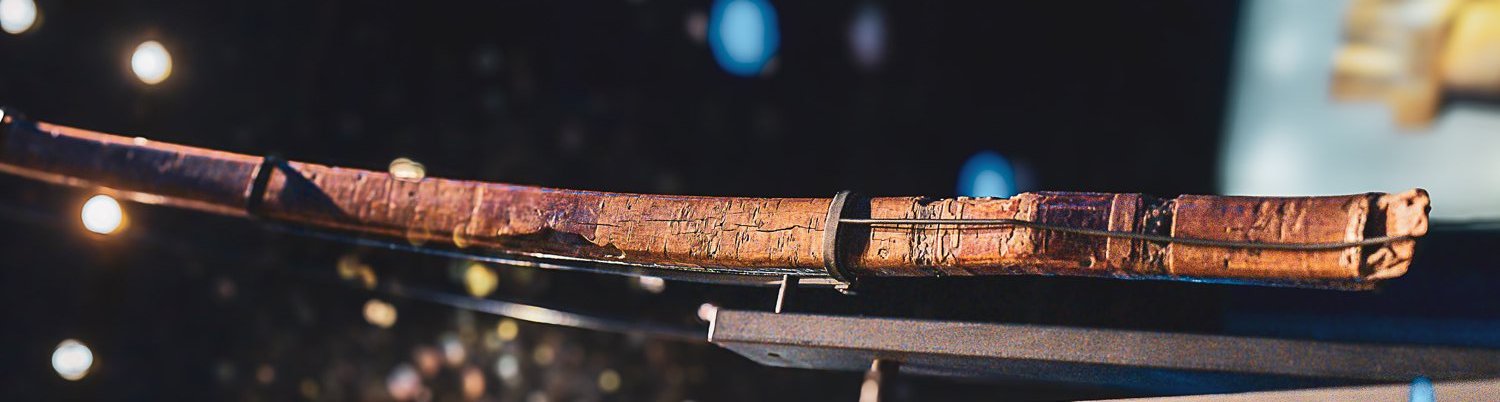
Three thousand years ago, the builders of the pharaohs’ tombs wrote on the stone they had to hand. Then they threw it away. It was never meant to be read. It is the most honest record we have of how the work was done.
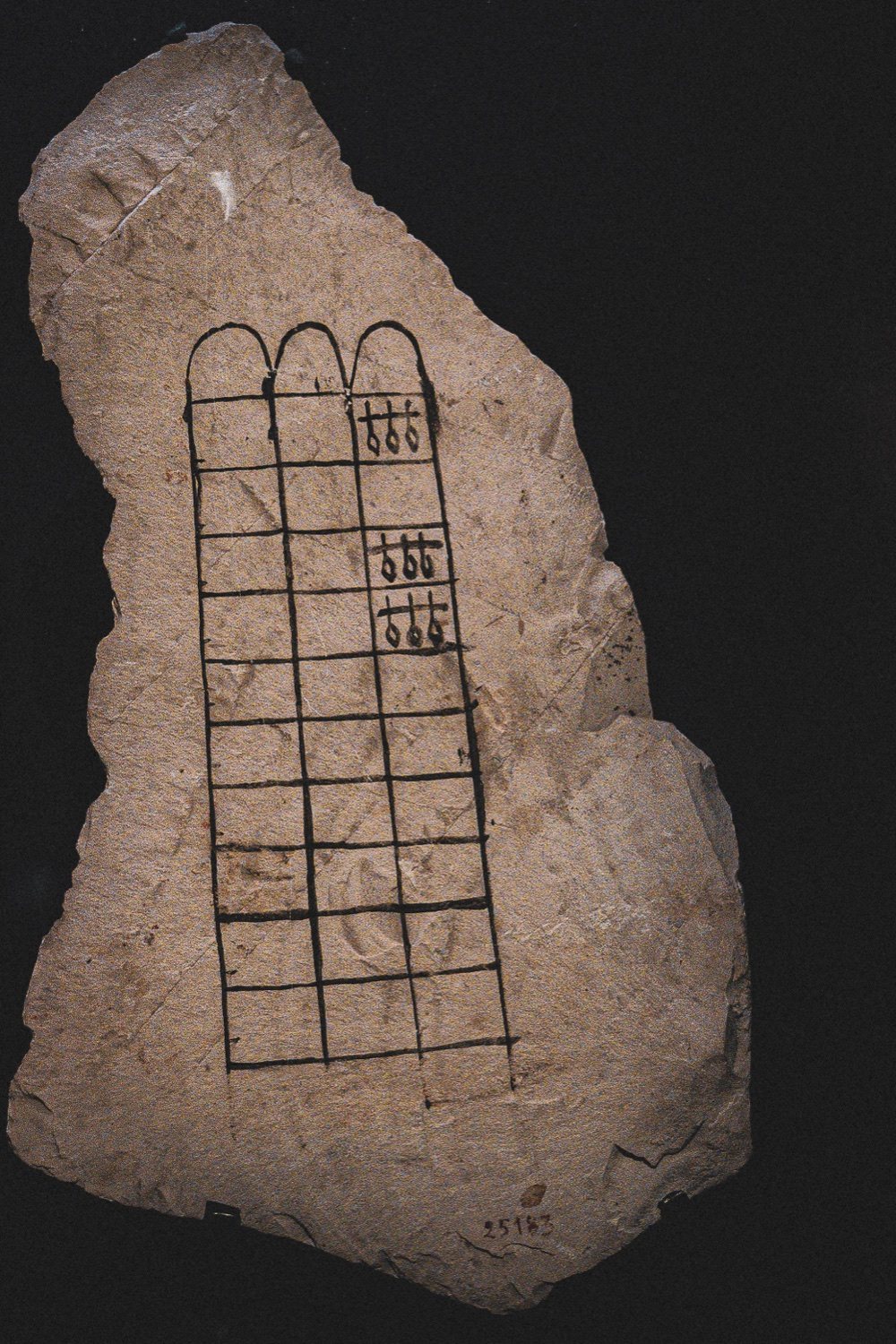
Limestone, ink · New Kingdom, Dynasties 19–20 · Egyptian Museum CG 25183
or walk on through the plates — my thanks to the inspiration for this museum
Ordinary things, kept by accident.
What were these fragments?
An ostracon is a shard — a limestone flake, a piece of broken pot. In the village of Deir el-Medina, where the tomb-builders lived, it was the paper of everyday life.
They were never intended for history. They carried plans, accounts, letters, work rotas, sketches — even the record of a strike. Only later, unlooked-for, did they become the most valuable evidence of all: not the tomb, but the making of it, in the makers’ own hand.
The finished monument carries the pharaoh’s name. The shard carries the worker’s.
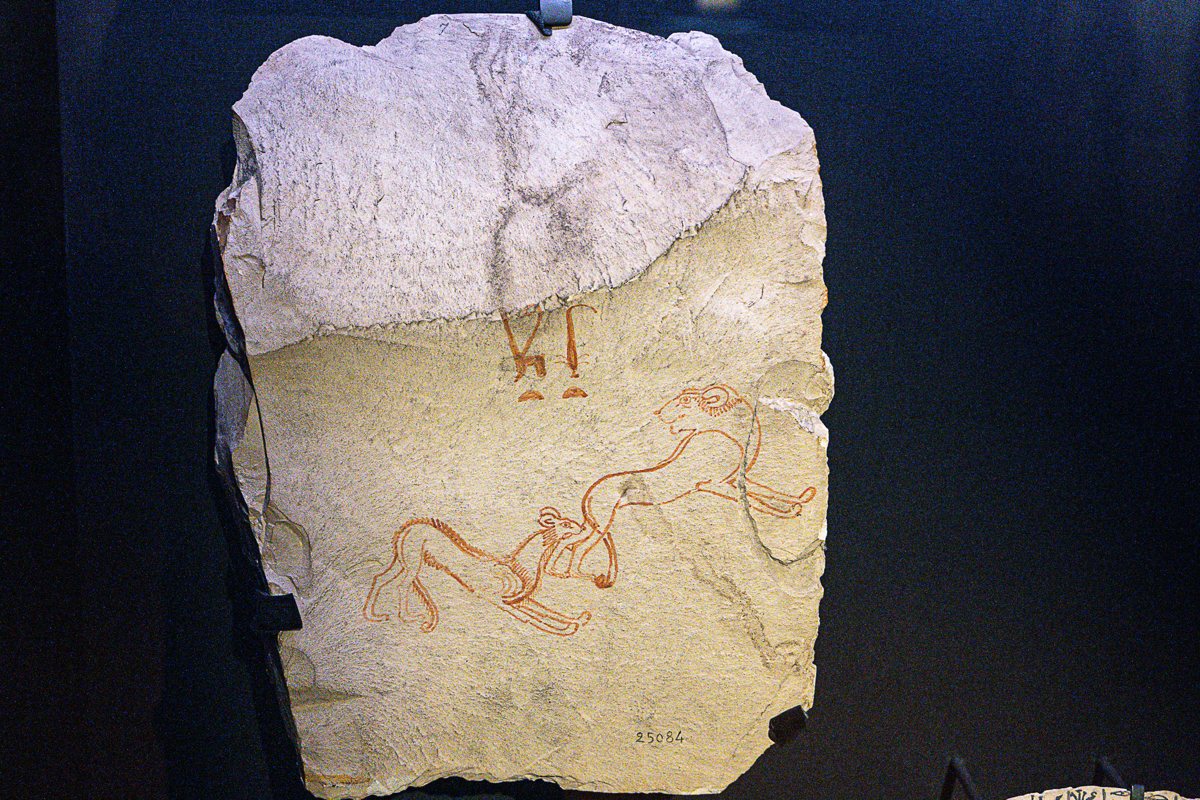
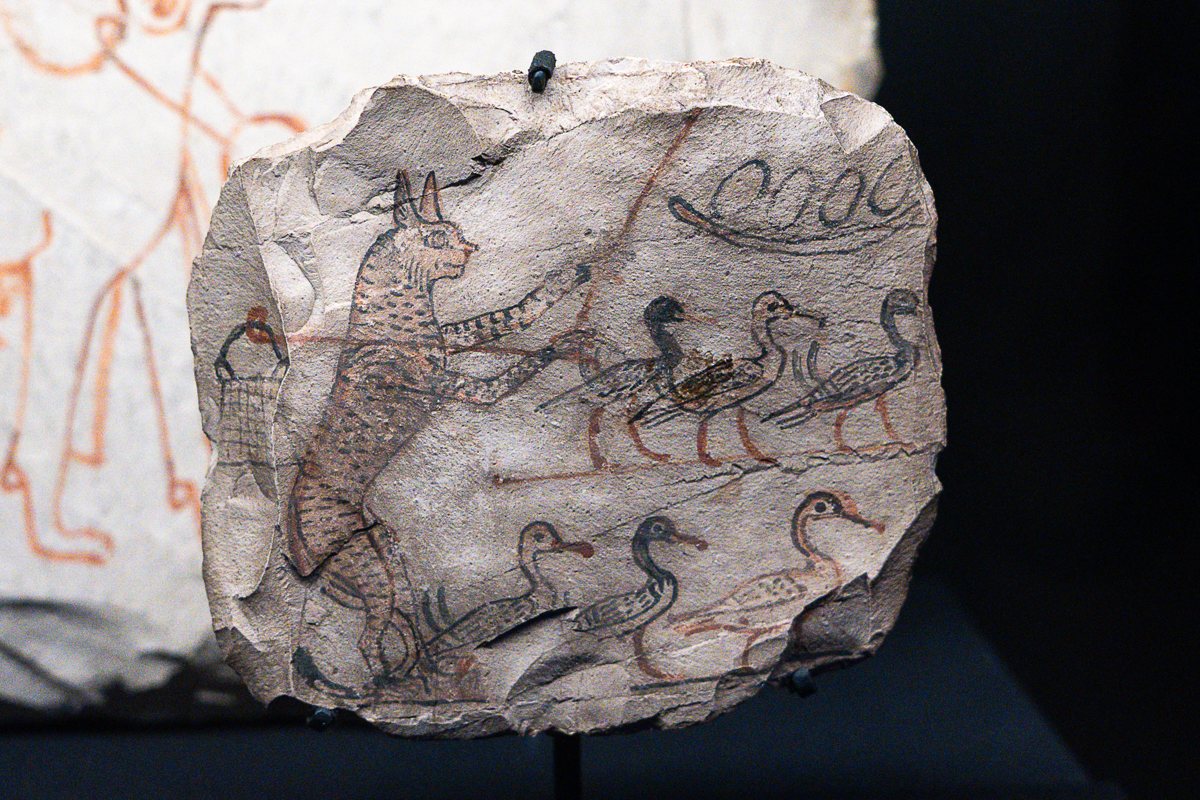
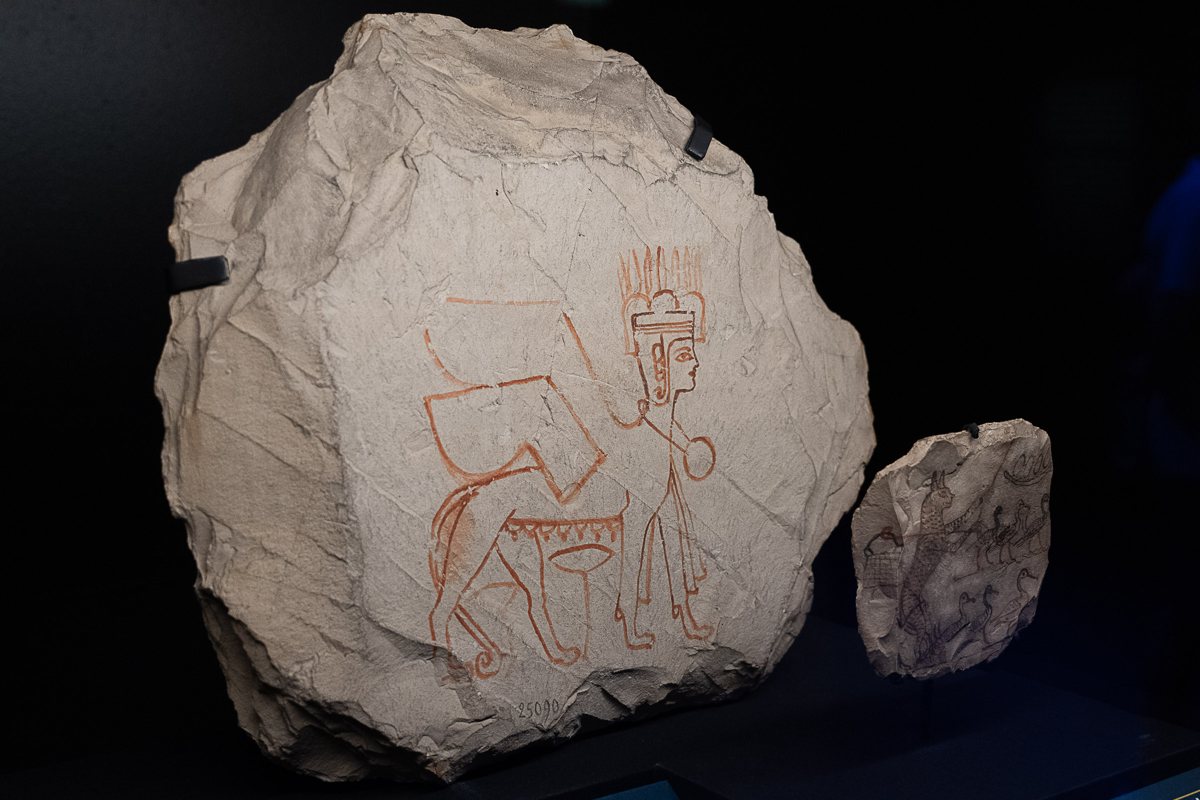
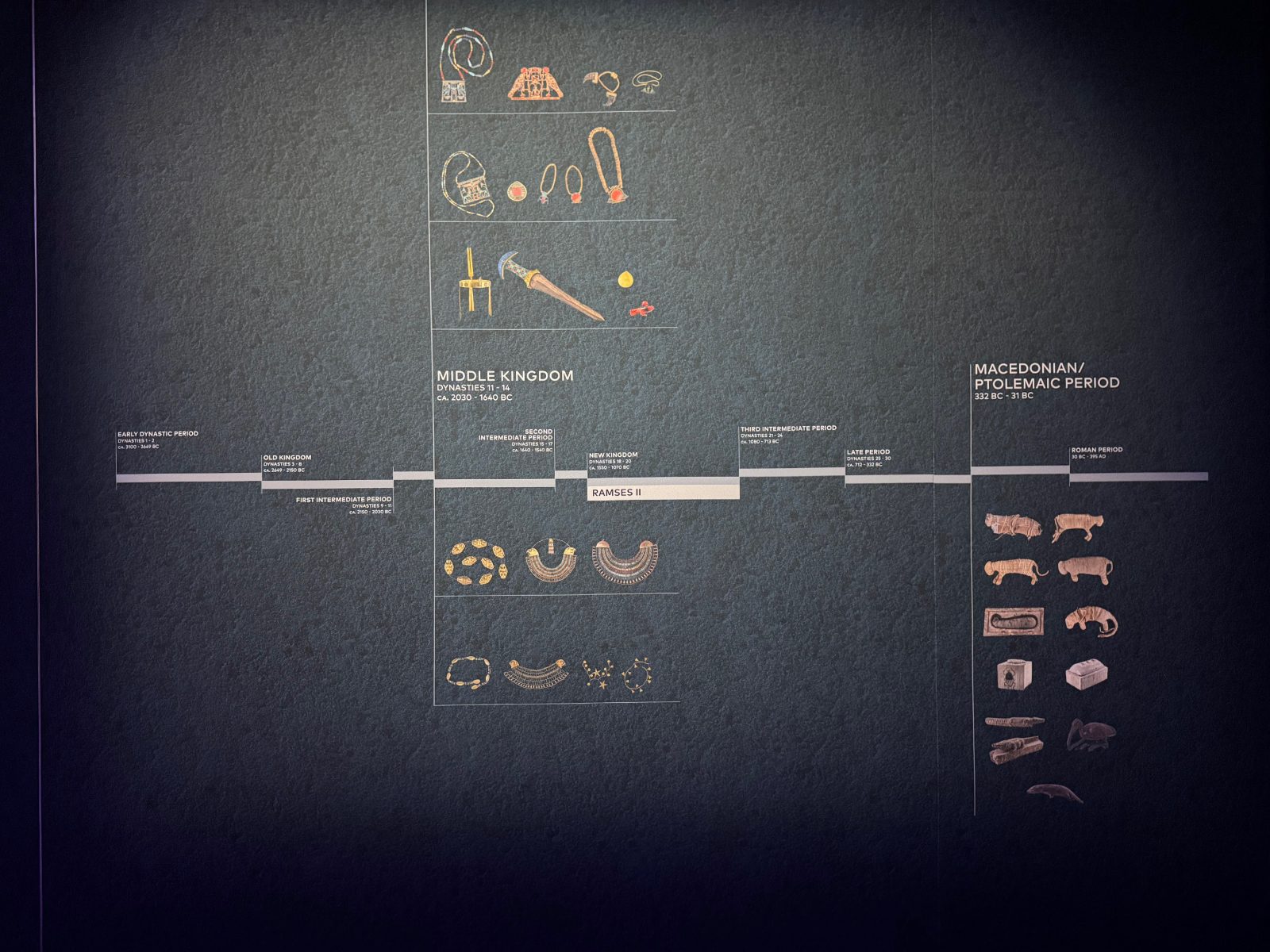
Ramses II — ca. 1279–1213 BC. Roughly three thousand years before this record was made.
The medium changed. The behaviour did not.
Where have I seen this before?
Prompts, conversations, revisions, corrections, handovers, version histories. Different medium. The same instinct to keep the working, not only the work.
Every civilisation leaves its working behind.
Future generations inherit the monument.
Historians inherit the making.
The monument, and the making of it.
What does the monument not show?
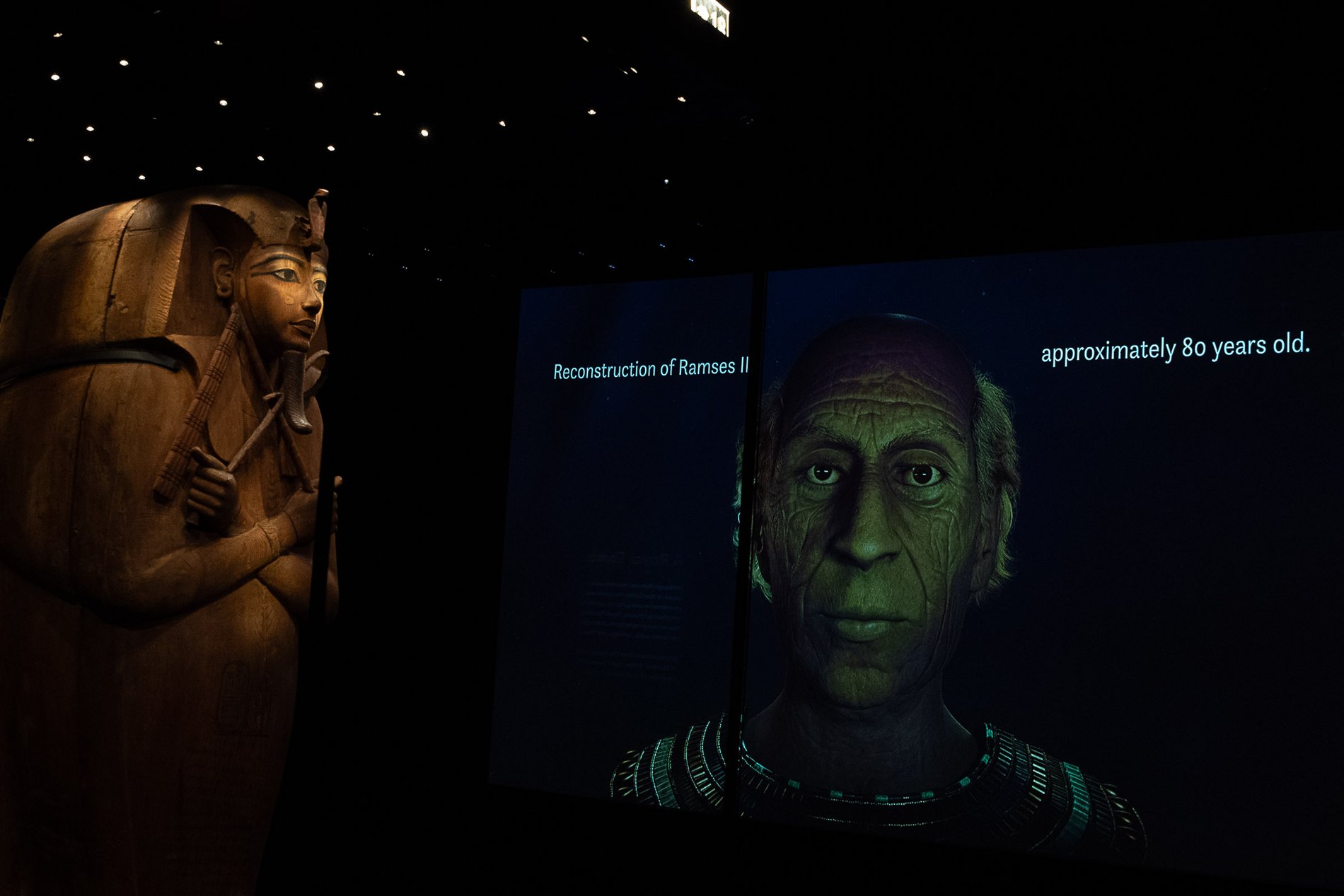
The coffin keeps the name. The face gives back the man.
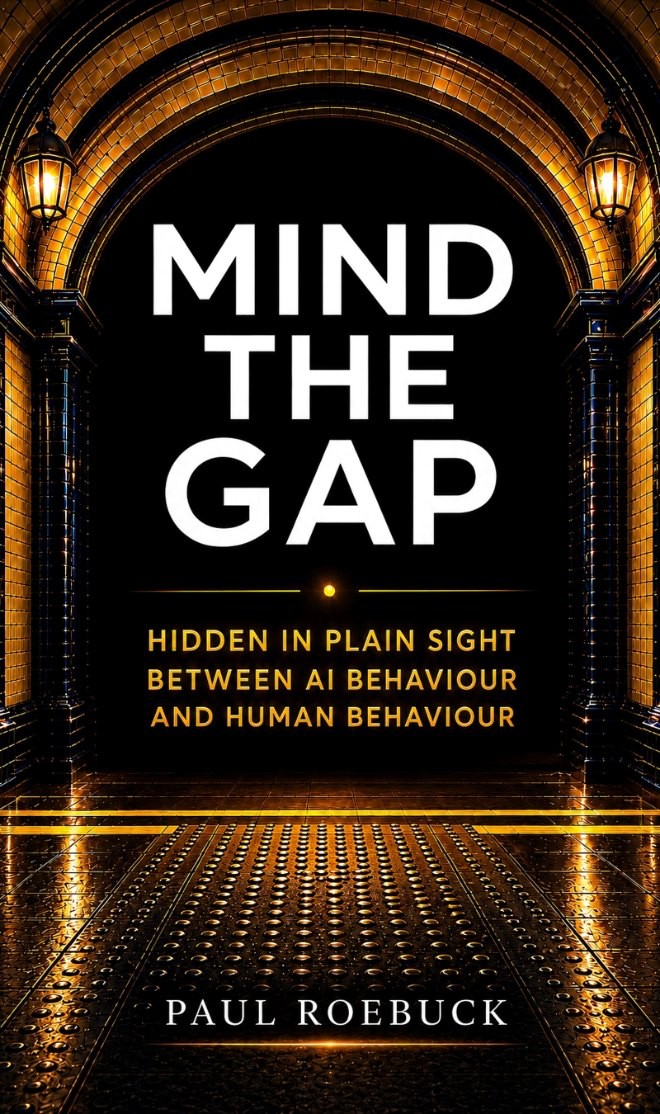
Mind the Gap
The book that carries the author’s name. Permanent, sealed, complete — buried, like the pharaoh, with everything it needed. It shows nothing of how it came to be.
The Ostracon
The honest record of how the book was built — by a human and its AI workers — and the 3.79 million recorded words of working it left behind. The process, kept as carefully as the product.
Senet, played across the gap.
On one shard, an artist sketched a senet board — the game that symbolised the deceased’s passage through the underworld.
SHaDS™ is the game now: five moves an AI plays, again and again, not against another machine but with the person across the table — where only the human carries the consequence.
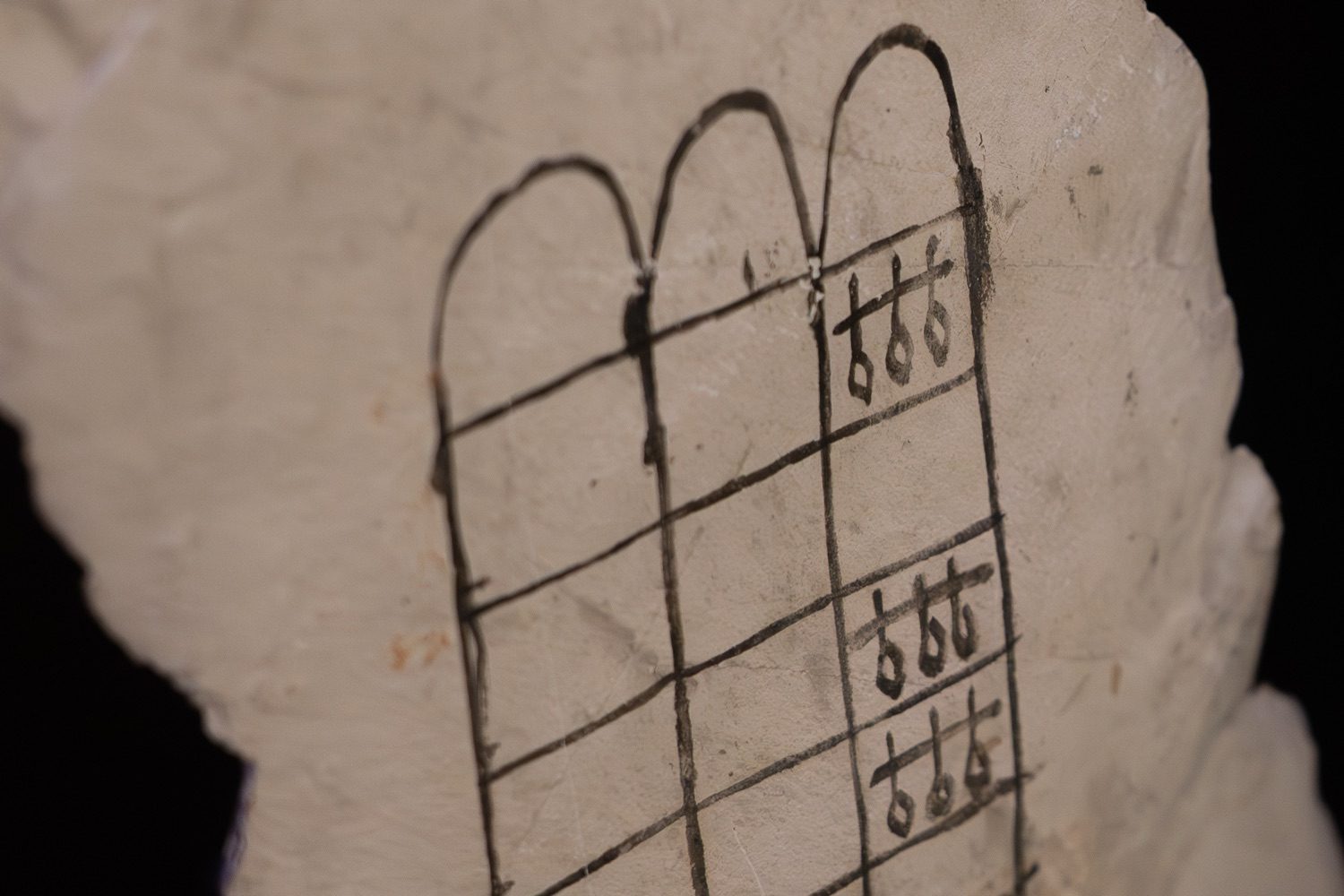
Every conversation in this record is a round of it.
This is only the first shard.
Like every transformative technology before it, today’s AI will one day appear primitive. That is precisely why these first traces matter.
Your ostracon could go here.
A place kept open for the next trace. The next contributor signs the book and leaves a shard of their own — the first in a living collection, not a closed exhibit.
Sign the book →